How to Choose Between iPhone and Android in 2026
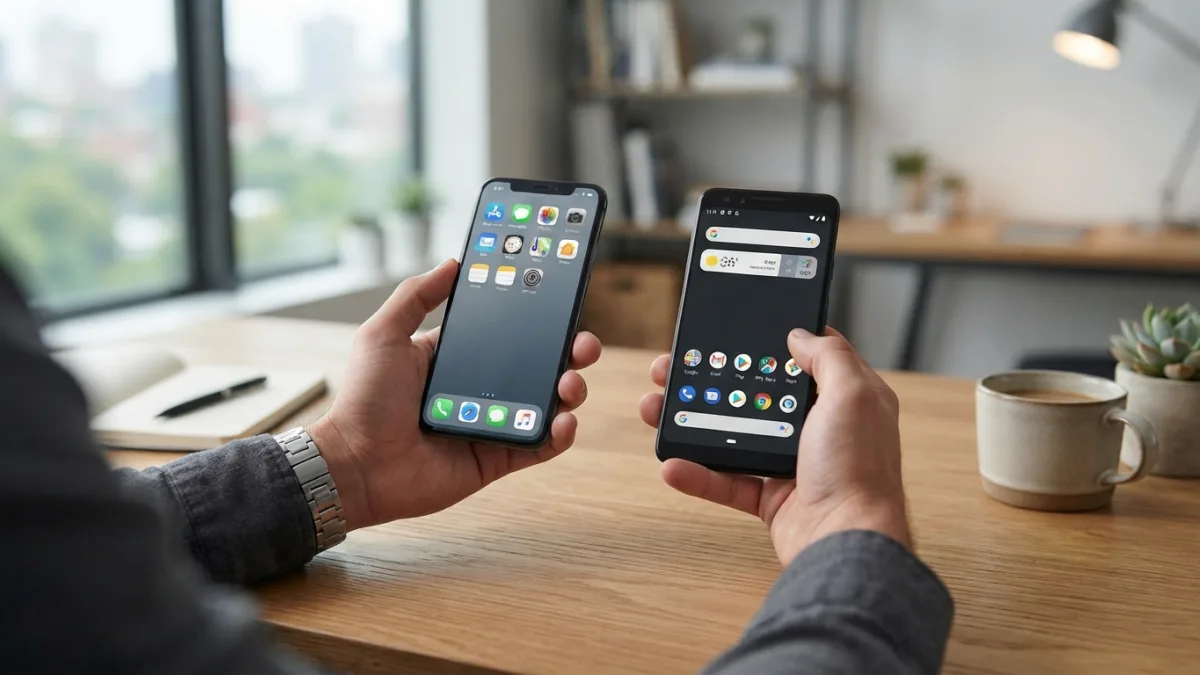
Picking a new phone used to be simple: you either liked Apple or you didn’t. But choosing between iPhone and Android in 2026 feels a lot more complicated, thanks to years of both platforms borrowing each other’s best ideas. Foldable screens, AI assistants, satellite messaging, and near-identical camera quality have blurred the lines that used to make this decision easy. If you’re standing in a store or scrolling through options online, wondering which ecosystem actually fits your life, you’re not alone. This guide breaks down the real differences that matter today, skipping the tired brand loyalty arguments and focusing on what actually affects your daily experience with your phone.
Why the iPhone vs Android Debate Still Matters in 2026
You might assume that after nearly two decades of competition, the gap between these two platforms would have vanished entirely. In some ways, it has. Both offer excellent cameras, fast processors, and long software support. But the underlying philosophy behind each system still shapes how you’ll use your device every single day. Apple controls both the hardware and software tightly, creating a smooth but closed experience. Android, led by Google and used by dozens of manufacturers, offers more freedom and variety but can feel less consistent. Understanding this core difference is the first step in figuring out which one suits your habits, your budget, and the other devices you already own. If you want to dig deeper, our guide on How to Turn Off Autocorrect Mistakes on Your Android Phone covers this in more detail. This is a common part of dealing with iphone and android, and it is worth keeping in mind.
iOS vs Android: The Core Differences That Remain
Despite years of updates, the ios vs android divide hasn’t disappeared, it’s just gotten subtler. iOS still favors simplicity and uniformity. Every iPhone runs the same interface, gets updates on the same day, and behaves predictably no matter the model. Android, by contrast, thrives on customization. You can change your entire home screen layout, install different app launchers, and tweak settings that Apple simply doesn’t expose to users. Some people find that freedom empowering. Others find it overwhelming, preferring Apple’s more guided approach. Neither is objectively better, but your personality and comfort with tinkering will likely point you toward one system more naturally than the other. Many people run into this exact issue with iphone and android at some point.
Customization and Control
If you like adjusting every little detail of your phone, from icon shapes to default apps and widget placement, Android still wins this category outright. Manufacturers like Samsung, Google, and OnePlus let you personalize nearly everything, and third-party launchers push that flexibility even further. Apple has loosened its grip over the years, allowing widgets, custom lock screens, and some default app changes, but it still keeps a firmer hand on the overall experience. This isn’t a flaw; it’s a deliberate choice that keeps iPhones consistent and easy to use across generations. If you want a phone that adapts to you rather than the other way around, Android remains the stronger pick. Keeping iphone and android in mind here will save you time later on.
Comparing iPhone Features and Android Features in 2026
Looking at iphone features 2026 alongside android features 2026 shows just how close the competition has become. Apple’s latest models lean heavily on on-device AI processing, tighter integration with Macs and iPads, and camera systems refined through years of consistent hardware design. Android flagships, meanwhile, push boundaries with foldable designs, faster charging speeds, and deeper AI tools baked directly into Google’s search and photo apps. Samsung, Google Pixel, and other brands each bring their own spin, so “Android” isn’t one single experience the way iOS is. That variety is a strength if you enjoy choice, but it also means research matters more before you commit to a specific Android device. This connects closely with another common issue — see How to Set Up a New Android Phone Step by Step for more on that. This detail matters more than it seems once iphone and android comes up again.
| Feature | iPhone | Android |
|---|---|---|
| Software Updates | Consistent, same-day updates across all models | Varies by brand, Pixel and Samsung lead in speed |
| Customization | Limited but improving | Extensive, highly flexible |
| Hardware Variety | Few models, consistent design | Wide range, including foldables and budget options |
| Ecosystem Integration | Seamless with Mac, iPad, Apple Watch | Strong with Google services, varies by brand |
| Price Range | Mid to premium | Budget to premium |
Ecosystem Loyalty: The Hidden Factor
Here’s something many people underestimate when comparing iphone and android options: the devices you already own matter more than the phone itself. If you use a MacBook, Apple Watch, or iPad, switching to Android means losing features like AirDrop, Handoff, and seamless messaging between devices. On the flip side, if you rely on a Windows laptop or use Google’s suite of apps daily, Android often integrates more smoothly with that setup. This ecosystem lock-in isn’t accidental. Both companies design their products to work best together, encouraging you to stay within their walls. Before choosing your next phone, think honestly about what other tech you use regularly, since that context often matters more than raw specifications. It is one of those small things that makes iphone and android easier to manage overall.
Camera Quality and Everyday Performance
Cameras remain one of the biggest selling points for any smartphone comparison 2026 shoppers care about, and thankfully, both platforms deliver excellent results now. iPhones tend to produce natural, true-to-life colors and reliable video quality, which is why many content creators still prefer them for filming. Android flagships, especially from Samsung and Google, often push computational photography further, offering brighter zoom capabilities and more aggressive scene enhancement. Neither approach is wrong, it simply depends on whether you prefer realism or vibrance in your photos. Day-to-day performance, meanwhile, has become nearly identical across premium models from both sides, with app loading times and multitasking speeds rarely making a noticeable difference in casual use anymore. This is a common part of dealing with iphone and android, and it is worth keeping in mind.
Privacy, Security, and Longevity
Apple has built much of its marketing around privacy, and that reputation still holds up reasonably well in 2026. iPhones limit app tracking by default and keep tighter control over what data leaves your device. Android has improved significantly here too, especially through Google’s Pixel line, though the openness of the platform means security can vary depending on the manufacturer and how quickly they issue updates. Longevity is another consideration worth weighing carefully. Apple typically supports iPhones with updates for many years after release, and Google has extended similar long-term support to its own Pixel devices. Other Android brands vary widely, so checking a manufacturer’s update policy before buying is a smart move. You might also find our article on How to Fix an Android Phone That Won't Turn On helpful here. Many people run into this exact issue with iphone and android at some point.
Price and Value for Your Budget
Cost still plays a major role in this decision, and here Android holds a clear advantage in flexibility. You can find capable Android phones at nearly every price point, from budget-friendly models under a few hundred dollars to premium foldables costing well over a thousand. Apple’s lineup, while it does include more affordable options like the SE series, generally sits in the mid-to-premium range without much variation below that. If budget is your main concern, Android simply offers more entry points without sacrificing modern features like decent cameras and fast charging. But if you value long-term resale value, iPhones traditionally hold their worth better over time, which can offset the higher upfront cost. Keeping iphone and android in mind here will save you time later on.
Which Type of User Fits Each Platform
Think about how you actually use your phone before deciding. If you want a straightforward experience with minimal decisions, strong resale value, and tight integration with other Apple products, the iPhone will likely suit you best. If you enjoy customizing your device, want more choice in price and design, or already rely heavily on Google’s apps and services, Android probably makes more sense. Neither choice is a mistake; both platforms are mature, reliable, and packed with features that would have seemed futuristic just a few years ago. The best phone for you ultimately comes down to your habits, not which brand has better marketing or a louder fan base online. This detail matters more than it seems once iphone and android comes up again.
Final Thoughts on Making Your Choice
At the end of the day, the iphone and android decision isn’t about picking the “winner” of some ongoing tech war. It’s about matching a device to the way you actually live and work. Take stock of your budget, the other gadgets you own, and which features matter most to you personally, whether that’s camera quality, customization, or long-term software support. Try handling both types of phones in a store if you can, since comfort and interface familiarity often matter more than spec sheets suggest. Whichever you choose, both platforms in 2026 offer excellent, dependable technology, so you really can’t go wrong as long as you choose based on your own needs rather than outside pressure. For a related walkthrough, check out How to Transfer Files Between Android and PC (No App Needed). It is one of those small things that makes iphone and android easier to manage overall.
Frequently Asked Questions
Is iPhone or Android better in 2026?
Neither is universally better. iPhones offer consistency and strong ecosystem integration, while Android offers more customization and price variety. The right choice depends on your personal habits and budget. This is a common part of dealing with iphone and android, and it is worth keeping in mind.
Which platform has better software update support?
Apple provides consistent updates across all iPhone models for several years. Android update support varies by manufacturer, though Google’s Pixel line now matches Apple closely in this area. Many people run into this exact issue with iphone and android at some point.
Is Android cheaper than iPhone?
Generally, yes. Android offers a wider range of prices, including many budget and mid-range options, while iPhones mostly stay within a mid-to-premium price range. Keeping iphone and android in mind here will save you time later on.
Do iPhones really have better cameras than Android phones?
Not necessarily better, just different. iPhones tend to produce more natural-looking photos, while many Android flagships push brighter colors and more advanced zoom features through computational photography. This detail matters more than it seems once iphone and android comes up again.
Should my other devices affect my phone choice?
Yes, significantly. If you already use a Mac, iPad, or Apple Watch, an iPhone will integrate more smoothly. If you rely on Windows or Google apps daily, Android often works better alongside them. It is one of those small things that makes iphone and android easier to manage overall.
2 Comments
Comments are closed.